
This webinar will showcase successful sharing and rental models from cities across Europe, highlighting the benefits of shifting towards access over ownership.
- business model | circular economy | consumer policy | environmental impact | innovation
- Thursday 12 June 2025, 11:00 - 12:00 (CEST)
- Online only
- Live streaming available
Practical information
- When
- Thursday 12 June 2025, 11:00 - 12:00 (CEST)
- Where
- Online only
- Languages
- English
- Part of
- Website
- Event website
Description
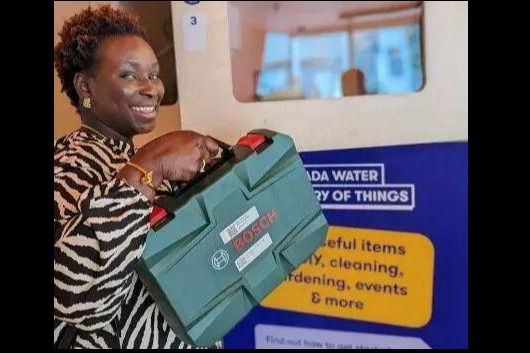
The Access Economy offers an innovative and sustainable alternative to ownership, reducing material consumption and fostering community sharing. Instead of purchasing new items that are often rarely used, citizens can access goods through borrowing, renting, or sharing initiatives. This model not only helps limit the depletion of natural resources but also promotes equal access to essential household items or sports equipment. Cities and regions play a crucial role in enabling and scaling the access economy. By implementing innovative policies, forming partnerships, and using digital solutions, local governments can create infrastructures that encourage shared consumption. access economy, numerous initiatives have already demonstrated the benefits of transitioning from ownership to access.
In this webinar, we will showcase insights and experiences from leading European projects, cities, and providers that have successfully implemented sharing and rental models. This session will offer valuable insights for policymakers, urban planners, sustainability advocates, and citizens interested in promoting sustainable consumption models. By sharing practical experiences from successful projects across Europe, we aim to inspire new initiatives and policy developments that support the access economy at the city and regional levels.
We welcome all stakeholders to join us in this engaging and impactful discussion. The webinar will begin with a brief introduction to the access economy concept, followed by presentations from each speaker, highlighting their respective projects. We will then proceed to an interactive panel discussion, allowing for a deeper exploration of key themes and challenges. The session will conclude with an open Q&A, inviting attendees to engage with the speakers and explore opportunities for their own cities and regions.